
| SAFETY DATA SHEET |  |
| PRODUCT AND COMPANY IDENTIFICATION |
| PRODUCT NAME: | Black Sandalwood |
| PRODUCT TYPE: | Fragrance Compound (Mixture) |
| PRODUCT RECOMMEND USE: | Compound used in customer substance/mixture/product. |
| COMPANY: | California Candle Supply |
| 1011 E Route 66 | |
| Glendora, CA 91740 | |
| ISSUE DATE: | 2/4/2026 |
Emergency telephone CHEMTREC 1-800-424-9300
| HAZARDS IDENTIFICATION |
 |
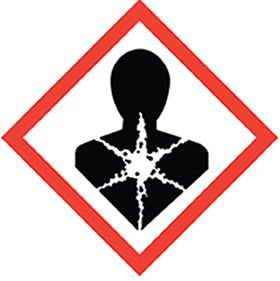 |
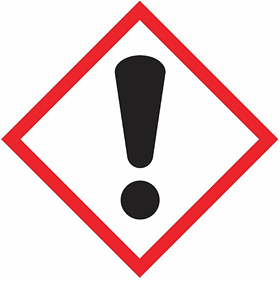
SIGNAL WORD: Warning
GHS Ratings:
| Flammable Liquid | Hazard Category 4 |
| Acute Toxicity | Oral Category 5 |
| Skin Corrosion/Irritation | Category 2 |
| Eye Damage/Irritation | Category 2 |
| Sensitization | Skin Category 1 |
| Hazardous to Aquatic Environment | Acute Hazard Category 1 |
| Hazardous to Aquatic Environment | Long-term Hazard Category 2 |
GHS Hazards:
| H227 Combustible liquid | H303 May be harmful if swallowed | H315 Causes skin irritation |
| H317 May cause an allergic skin reaction | H319 Causes serious eye irritation | H400 Very toxic to aquatic life |
| H411 Toxic to aqautic life with long lasting effects |
GHS Precautions:
| P210 Keep away from heat/sparks/open flames/hotsurfaces – No smoking | P261 Avoid breathing dust/fume/gas/mist/vapours/spray | P264 Wash … thoroughly after handling |
| P272 Contaminated work clothing should not be allowed out of the workplace | P273 Avoid release into the environment | P280 Wear protective gloves/protective clothing/eye protection/face protection |
| P302+P352 IF ON SKIN: Wash with soap and water | P305+P351+P338 IF IN EYES: Rinse continuously with water for several minutes. Remove contact lenses if present and easy to do – continue rinsing | P281 Use personal protective equipment as required |
| P321 Specific treatment (see information on this label) | P362 Take off contaminated clothing and wash before reuse | P312 Call a POISON CENTRE or doctor/physican if you feel unwell |
| P333+P313 If skin irritation or a rash occurs: Get medical advice/attention | P337+P313 Get medical advice/attention | P362 Take off contaminated clothing and wash before reuse |
| P370+P378 In case of fire: Use ABC fire extinguisher for extinction. | P391 Collect spillage | P403+P235 Store in a well ventilated place. Keep cool |
| P501 Dispose of contents/container with regards to State/Federal/Local Regulations. |
| COMPOSITION/INFORMATION ON INGREDIENTS |
Substances with workplace exposure limits, not listed above:
Not Applicable
| FIRST AID MEASURES |
| EYES: | Remove Contact Lenses, flush immediately with plenty of cool running water, continue to flush for 15 minutes . Consult a physician if irritation persists. |
| SKIN: | Wash thoroughly with plenty of soap and water, flush skin with cool running water . Consult a physician if irritation persists. |
| INGESTION: | Rinse mouth thoroughly with cool water. Do not induce vomiting, consult a physician immediately. |
| INHALATION: | Remove to fresh air and rest in comfortable breathing position. Consult a physician if rapid recovery does not occur or symptoms develop. |
| NOTES TO PHYSICIANS OR FIRST AID PROVIDERS: | Treat symptomatically. |
| FIRE FIGHTING MEASURES |
| SUITABLE EXTINGUISHING MEDIA: | Carbon Dioxide, Dry Chemical, Foam, or other NON-Aqueous material. |
| UNSUITABLE EXTINGUISHING MEDIA: | Do not use the direct water jet on burning material. |
| SPECIAL HAZARDS ARISING FROM THE SUBSTANCE /MIXTURE: | Empty containers retain product residue (liquid or vapor) and can be dangerous. They should be rinsed with water and disposed of properly. Soaked rags or paper may pose a spontaneous combustion hazard in unsealed trash receptacles. |
| DURING FIREFIGHTING: | Water may be ineffective. |
| HAZARDOUS COMBUSTION PRODUCTS: | Carbon Dioxide, Carbon Monoxide and other unidentified organic compounds. |
| SPECIAL PROTECTIVE EQUIPMENT AND PRECAUTION FOR FIRE FIGHTERS: | Treat as a chemical fire. Self-contained breathing apparatus and protective clothing should be worn when fighting fires involving chemicals. |
| ADVICE FOR FIREFIGHTERS: | Further information : Standard Procedure for chemical fires. |
| ACCIDENTAL RELEASE MEASURES |
| ACCIDENTAL RELEASE MEASURES: |
Eliminate all ignition sources. Ventilate Area. Contain spill and absorb spill onto inert material. Place material into a suitable container and dispose of in accordance with local regulations. DO NOT leave soaked rags or paper in unsealed receptacles as spontaneous combustion may sometimes occur under certain circumstances. |
| ENVIRONMENTAL PRECAUTIONS: | Keep away from drains, soil, surface and ground water. |
| HANDLING AND STORAGE |
| PRECAUTIONS FOR SAFE HANDLING: | Apply good manufacturing and industrial hygiene practices with proper ventilation. Do not drink, eat or smoke while handling. |
| HANDLING AND STORAGE: | Use splash goggles or face shield when eye contact is possible. Respiratory protection is not generally required, if desired use NIOSH approved organic vapor respirator. Use chemical resistant gloves as needed to avoid prolonged or repeated contact. Store in a cool, dry, well ventilated area away from all sources of heat or flame. |
| EXPOSURE CONTROLS \ PERSONAL PROTECTION |
| PERSONAL PROTECTIVE EQUIPMENT | |
| RESPIRATORY PROTECTION: | If desired wear a NIOSH approved respirator. Avoid excessive inhalation of concentrated vapors. Apply local ventilation where appropriate. |
| EYE PROTECTION: | Use tightly sealed splash goggles, face shield, or safety glasses with brow guards and side shields as may be appropriate. |
| SKIN PROTECTION: | Avoid skin contact. Use chemical resistant gloves as needed to avoid prolonged or repeated contact. Use of a rubber apron is recommended when handling large quantities of this material. |
| WORK/HYGIENIC PRACTICES: | Good personal hygiene practices should be used. Wash hands after any contact, before breaks and meals, and at the end of the work period. Contaminated clothing and shoes should be cleaned before using again. |
| OTHER USE PRECAUTIONS: | None generally required. |
| COMMENTS: | This material is intended for manufacturing use only. Contaminated equipment should be cleaned with soap and water. Do not discharge wash water into lakes, streams, ponds, or public waters. |
| PHYSICAL AND CHEMICAL PROPERTIES |
| COLOR: | Free flowing liquid without sediment |
| ODOR: | Characteristic |
| APPEARANCE: | Conforms to Standard |
| FLASH POINT: | 175°F |
| FLASH POINT METHOD: | CLOSED CUP |
| AUTO-IGNITION TEMPERATURE: | Not Determined |
| BOILING POINT/RANGE: | Not Determined |
| MELTING POINT: | Not Determined |
| VISCOSITY: | Liquid |
| VAPOUR PRESSURE: | Not Determined |
| VAPOUR DENSITY: | Not Determined |
| RELATIVE DENSITY: | -0.0150 - 0.0150 |
| SOLUBILITY: | Oil |
| PERCENT VOC: | |
| SPECIFIC GRAVITY: | Not Determined |
| EVAPORATION RATE: | Not Determined |
| REFRACTIVE INDEX @ 20C: | -0.0050 - 0.0050 |
| STABILITY AND REACTIVITY |
| CHEMICAL STABILITY: | Product is stable under normal storage and use. |
| POSSIBILITY OF HAZARDOUS REACTIONS : | None Known. |
| CONDITIONS TO AVOID : | Excessive heat, sparks or open flame. |
| MATERIALS TO AVOID: | Strong oxidizing agents or contamination with strong acids or alkalis. |
| HAZARDOUS DECOMPOSITION PRODUCTS: | None Known. |
| REACTIVITY: | None. |
| TOXICOLOGICAL INFORMATION |
| ACUTE TOXICITY-ORAL: | (LD50: 2118.64) May be harmful if swallowed. |
| ACUTE TOXICITY- DERMAL: | (LD50: 4119.49) May be harmful in contact with skin. |
| ACUTE TOXICITY- INHALATION: | (RAT) mg/L/4 hr (LC50: 72.69) May be harmful if inhaled. |
| ACUTE EFFECTS: | |
| EYE CONTACT: | Causes serious eye irritation. |
| SKIN IRRITATION: | Causes skin irritation. |
| SKIN SENSITIZATION: | May cause an allergic skin reaction. |
| RESPIRATORY SENSITIZATION: | Not Classified-The classification criteria are not met. |
| TARGET ORGAN: | Single exposure: Not classified. |
| GERM CELL MUTAGENICITY: | Not classified. |
| ASPIRATION HAZARD: | May be fatal if swallowed and enters airways. |
| ECOLOGICAL INFORMATION |
| ACUTE AQUATIC TOXICITY: | Toxic to aquatic life. |
| CHRONIC AQUATIC TOXICITY: | Toxic to aquatic life with long lasting effects. |
| PERSISTENCE AND DEGRADABILITY: | No data Available |
| BIO-ACCUMULATIVE POTENTIAL: | No data Available |
| MOBILITY IN SOIL: | No data Available |
| OTHER ADVERSE EFFECTS: | No data Available |
| ECOTOXICOLOGICAL OTHER INFORMATION: | No data Available |
| DISPOSAL CONSIDERATIONS |
Do not allow product to reach sewage systems. Dispose off in accordance with all local and national regulations. Send to a licensed waste management company. The product should not be allowed to enter drains, water courses or the soil. Do not contaminate ponds, waterways or ditches with chemical or used container.
| TRANSPORT INFORMATION |
| Regulator | Class | Pack Group | Sub Risk | UN-nr |
| U.S. DOT (Non-Bulk) | Not Regulated-Not Dangerous Goods | |||
| CHEMICALS NOI | ||||
| ADR/RID (International Road/Rail) | ||||
| Environmentally Hazardous Substance | 9 | III | UN-3082 | |
| IATA (Air Cargo) | ||||
| Environmentally Hazardous Substance Liquid, n.o.s. | 9 | III | UN-3082 | |
| IMGD (Sea) | ||||
| Environmentally Hazardous Substance Liquid, n.o.s. | 9 | III | UN-3082 |
| REGULATORY INFORMATION |
US FEDERAL REGULATIONS
TSCA (USA TOXIC SUBSTANCE CONTROL ACT): All ingredients in this mixture are listed on the TSCA inventory.
SARA TITLE III (SUPERFUND AMMENDMENTS AND REAUTHORIZATION ACT):
| 311 / 312 HAZARD CATEGORIES | |
| FIRE: | Yes |
| REACTIVITY: | No |
| SUDDEN RELEASE OF PRESSURE: | No |
| IMMEDIATE (ACUTE): | Yes |
| DELAYED (CHRONIC): | No |
SARA SECTION 313: This mixture contains the following toxic chemical (s) subject to the reporting requirements of Title III of the Superfund Amendments and Reauthorization Act of 1986 and 40 CFR Part 372.
US STATE REGULATIONS
CALIFORNIA PROPOSITION 65:
California Safe Drinking Water and Toxic Enforcement Act of 2016 (Proposition 65): This material is not known to contain any chemicals currently listed as carcinogens or reproductive toxins. For more information go to www.P65Warnings.ca.gov.
RIGHT TO KNOW: The identities of the ingredients of this mixture are proprietary and are considered to be trade secrets.
CALIFORNIA PROPOSITION 65: This mixture contains the following chemical (s) subject to the reporting requirements of the Safe Drinking Water and Toxic Enforcement Act of 1986.
| OTHER INFORMATION |
DISCLAIMER: The information in this MSDS was obtained from current and reliable sources. However, the data is provided without any warranty, expressed or implied, regarding its correctness and accuracy. Since the conditions for use, handling, storage and disposal of this product are beyond California Candle Supply's control, it is the user’s responsibility both to determine safe conditions for use of this product and to assume liability for loss, injury, damage or expense arising out of the product’s improper use. No warranty, expressed or implied, regarding the product described herein shall be created by or inferred from any statement or omission in this MSDS. Various government agencies (e.g. DOT, EPA, FDA) may have specific regulations concerning the transportation, handling, storage, use or disposal of this product, which may not be reflected in this MSDS. The user should review these regulations to ensure full compliance.