
| SAFETY DATA SHEET |  |
| PRODUCT AND COMPANY IDENTIFICATION |
| PRODUCT NAME: | Silver Birch |
| PRODUCT TYPE: | Fragrance Compound (Mixture) |
| PRODUCT RECOMMENDED USE: | Perfumes, fragrances. Intended for use in the manufacture of fragranced consumer products. |
| COMPANY: | California Candle Supply |
| 1011 E Route 66 | |
| Glendora, CA 91740 | |
| ISSUE DATE: | 7/29/2026 |
Emergency telephone CHEMTREC 1-800-424-9300
| HAZARDS IDENTIFICATION |
CLASSIFICATION:
GHS-US Classification:
| Class and category of danger: | Flammable Liquid, Category 4 — H227 Acute Toxicity (Oral), Category 4 — H302 Skin Sensitization, Category 1 — H317 Reproductive Toxicity, Category 2 — H361 |
| Signal word: | Warning |
| Pictograms: | 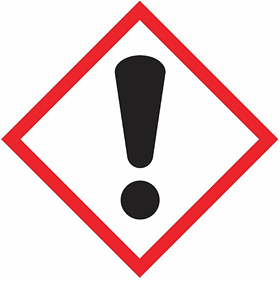 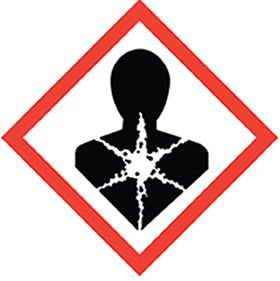 |
| Hazard statements: | H227 — Combustible liquid. H302 — Harmful if swallowed. H317 — May cause an allergic skin reaction. H361 — Suspected of damaging fertility or the unborn child. |
| Other hazards which do not result in classification: | No additional information available. |
| Unknown acute toxicity (GHS US): | Not applicable. |
| Precautionary statements: | P201 — Obtain special instructions before use. P202 — Do not handle until all safety precautions have been read and understood. P210 — Keep away from heat, hot surfaces, sparks, open flames and other ignition sources. No smoking. P261 — Avoid breathing dust, fume, gas, mist, vapours, spray. P264 — Wash hands, forearms and face thoroughly after handling. P270 — Do not eat, drink or smoke when using this product. Wear protective gloves and eye protection. IF exposed or concerned: Get medical advice/attention. IF SWALLOWED: Rinse mouth. Call a POISON CENTER/doctor if you feel unwell. Do NOT induce vomiting. If skin irritation or rash occurs: Get medical advice/attention. Wash contaminated clothing before reuse. |
| COMPOSITION/INFORMATION ON INGREDIENTS |
Substances: Not applicable.
Mixtures:
| Chemical Name | CAS Number | Weight % | GHS-US Classification |
|---|---|---|---|
| Benzyl benzoate | 120-51-4 | 33.6 – 67.15% | Acute Tox. 4 (Oral), H302 |
| Diethyl malonate | 105-53-3 | 2 – 4% | Flam. Liq. 4, H227; Eye Irrit. 2A, H319 |
| Fir Needle oil, Siberian | 8021-29-2 | 1.4 – 2.75% | Flam. Liq. 3, H226; Skin Irrit. 2, H315; Eye Irrit. 2A, H319; Skin Sens. 1, H317; Asp. Tox. 1, H304 |
| (R)-p-mentha-1,8-diene; d-limonene | 5989-27-5 | 1 – 2.05% | Flam. Liq. 3, H226; Skin Irrit. 2, H315; Skin Sens. 1B, H317; Asp. Tox. 1, H304; Aquatic Acute 1, H400 |
| Camphene | 79-92-5 | 0.8 – 1.5% | Flam. Sol. 2, H228; Eye Irrit. 2B, H320 |
| Triplal (Vertocitral) | 68039-49-6 | 0.5 – 1% | Flam. Liq. 4, H227; Skin Irrit. 2, H315; Skin Sens. 1B, H317 |
| White Camphor oil | 8008-51-3 | 0.1 – 0.25% | Flam. Liq. 3, H226; Skin Irrit. 2, H315; Skin Sens. 1B, H317; Repr. 2, H361; Asp. Tox. 1, H304; Aquatic Chronic 1, H410 |
| FIRST AID MEASURES |
Description of first aid measures
| General: | IF exposed or concerned: Get medical advice/attention. Never give anything by mouth to an unconscious person. If you feel unwell, seek medical advice and show the label where possible. |
| Inhalation: | Allow affected person to breathe fresh air. Allow the victim to rest. |
| Skin contact: | Wash with plenty of water. If skin irritation or rash occurs: Get medical advice/attention. Specific treatment: see supplemental first aid instruction on the label. Wash contaminated clothing before reuse. Remove affected clothing and wash all exposed skin area with mild soap and water, followed by warm water rinse. If skin irritation occurs: Get medical advice/attention. |
| Eye contact: | Rinse immediately with plenty of water. Obtain medical attention if pain, blinking or redness persists. |
| Ingestion: | Rinse mouth. Call a POISON CENTER/doctor if you feel unwell. Do NOT induce vomiting. Obtain emergency medical attention. |
Most important symptoms and effects (acute and delayed)
Potential adverse human health effects and symptoms: Harmful if swallowed. Based on available data, the classification criteria are not met.
Symptoms/effects: Suspected of damaging fertility or the unborn child. Not expected to present a significant hazard under anticipated conditions of normal use.
Symptoms/effects after inhalation: May cause an allergic skin reaction.
Symptoms/effects after ingestion: Swallowing a small quantity of this material will result in serious health hazard.
Immediate medical attention and special treatment, if necessary
No additional information available.
| FIRE FIGHTING MEASURES |
Suitable (and unsuitable) extinguishing media
Suitable: Foam, dry powder, carbon dioxide, water spray, sand.
Unsuitable: Do not use a heavy water stream.
Specific hazards arising from the chemical
Fire hazard: Combustible liquid.
Explosion hazard: May form flammable/explosive vapour-air mixture.
Special protective equipment and precautions for fire-fighters
Firefighting instructions: Use water spray or fog for cooling exposed containers. Exercise caution when fighting any chemical fire. Prevent fire fighting water from entering the environment.
Protection during firefighting: Do not enter fire area without proper protective equipment, including respiratory protection.
| ACCIDENTAL RELEASE MEASURES |
Personal precautions, protective equipment and emergency procedures
General measures: Remove ignition sources. Use special care to avoid static electric charges. No open flames. No smoking.
For non-emergency personnel: Evacuate unnecessary personnel.
For emergency responders: Equip cleanup crew with proper protection. Ventilate area.
Environmental precautions
Prevent entry to sewers and public waters. Notify authorities if liquid enters sewers or public waters.
Methods and material for containment and cleaning up
Soak up spills with inert solids, such as clay or diatomaceous earth as soon as possible. Collect spillage. Store away from other materials.
Reference to other sections
See Section 8: Exposure controls and personal protection.
| HANDLING AND STORAGE |
Precautions for safe handling
Additional hazards when processed: Handle empty containers with care because residual vapours are flammable. Keep away from heat, hot surfaces, sparks, open flames and other ignition sources. No smoking.
Precautions for safe handling: Avoid breathing dust/fume/gas/mist/vapours/spray. Obtain special instructions before use. Do not handle until all safety precautions have been read and understood. Wash hands and other exposed areas with mild soap and water before eating, drinking or smoking and when leaving work. Provide good ventilation in process area to prevent formation of vapour. No open flames. No smoking.
Hygiene measures: Do not eat, drink or smoke when using this product. Wash hands thoroughly after handling. Contaminated work clothing should not be allowed out of the workplace. Wash contaminated clothing before reuse.
Conditions for safe storage, including any incompatibilities
| Technical measures: | Proper grounding procedures to avoid static electricity should be followed. |
| Storage conditions: | Keep only in the original container in a cool, well-ventilated place. Keep away from heat, hot surfaces, sparks, open flames and other ignition sources. No smoking. Keep container closed when not in use. Keep in fireproof place. |
| Incompatible products: | Strong bases. Strong acids. |
| Incompatible materials: | Sources of ignition. Direct sunlight. Heat sources. |
| Storage temperature: | 25°C |
| Storage area: | Store in a well-ventilated place. Store away from heat. |
| Special rules on packaging: | Store in a closed container. |
| Packaging materials: | Do not store in corrodable metal. |
| EXPOSURE CONTROLS \ PERSONAL PROTECTION |
Control parameters
| Substance | Control Parameter / Information |
|---|---|
| SILVER BIRCH 2 #F26-3809 | No additional information available. |
| Benzyl benzoate (120-51-4) | No additional information available. |
| Diethyl malonate (105-53-3) | No additional information available. |
| Fir Needle oil, Siberian (8021-29-2) | No additional information available. |
| (R)-p-mentha-1,8-diene; d-limonene (5989-27-5) | USA - AIHA - Occupational Exposure Limits: WEEL TWA 30 ppm. |
| Camphene (79-92-5) | No additional information available. |
| Triplal (Vertocitral) (68039-49-6) | No additional information available. |
| White Camphor oil (8008-51-3) | No additional information available. |
Appropriate engineering controls
No additional information available.
Individual protection measures / Personal protective equipment
| Personal protective equipment: | Avoid all unnecessary exposure. |
| Hand protection: | Wear protective gloves. |
| Eye protection: | Chemical goggles or safety glasses. |
| Respiratory protection: | Wear appropriate mask. |
| Personal protective equipment symbol(s): |  |
| Other information: | Do not eat, drink or smoke during use. |
| PHYSICAL AND CHEMICAL PROPERTIES |
| Physical state: | Liquid |
| Colour: | Conforms to standard |
| Odour: | Characteristic |
| Odour threshold: | No data available |
| pH: | No data available |
| Melting point: | No data available |
| Freezing point: | No data available |
| Boiling point: | No data available |
| Flash point: | 78.3°C (172.9°F) |
| Relative evaporation rate (butylacetate=1): | No data available |
| Flammability (solid, gas): | Not applicable. Combustible liquid. |
| Vapour pressure: | 0.007268595 mm Hg (calculated value) |
| Relative vapour density at 20°C: | No data available |
| Relative density: | No data available |
| Solubility: | No data available |
| Partition coefficient n-octanol/water (Log Pow): | No data available |
| Auto-ignition temperature: | No data available |
| Decomposition temperature: | No data available |
| Viscosity, kinematic: | No data available |
| Viscosity, dynamic: | No data available |
| Explosive limits: | No data available |
| Explosive properties: | No data available |
| Oxidising properties: | No data available |
| VOC content: | 8.1% (calculated value) (CARB VOC) (% w/w) |
| STABILITY AND REACTIVITY |
Reactivity: No additional information available.
Chemical stability: Combustible liquid. May form flammable/explosive vapour-air mixture.
Possibility of hazardous reactions: Not established.
Conditions to avoid: Direct sunlight. Extremely high or low temperatures. Open flame. Overheating. Heat. Sparks.
Incompatible materials: Strong acids. Strong bases.
Hazardous decomposition products: Fume. Carbon monoxide. Carbon dioxide. May release flammable gases.
| TOXICOLOGICAL INFORMATION |
Information on toxicological effects
| Acute toxicity (oral): | Harmful if swallowed. |
| Acute toxicity (dermal): | Not classified. |
| Acute toxicity (inhalation): | Not classified. |
| SILVER BIRCH 2 #F26-3809 ATE US (oral): | 742.027 mg/kg bodyweight |
| Substance | Toxicological Data |
|---|---|
| Benzyl benzoate (120-51-4) | LD50 oral rat: > 2000 mg/kg (Source: ECHA_API) LD50 oral: 1160 mg/kg LD50 dermal rabbit: 4000 mg/kg (Source: NLM_CIP) ATE US (oral): 500 mg/kg bodyweight |
| Diethyl malonate (105-53-3) | LD50 oral rat: 14900 µl/kg (Source: NLM_CIP) LD50 dermal rabbit: > 16960 mg/kg (Source: ECHA_API) ATE US (oral): 15794 mg/kg bodyweight |
| Fir Needle oil, Siberian (8021-29-2) | LD50 oral rat: 10200 mg/kg (Source: NLM_CIP) ATE US (oral): 10200 mg/kg bodyweight |
| (R)-p-mentha-1,8-diene; d-limonene (5989-27-5) | LD50 oral rat: 4400 mg/kg (Source: CHEMVIEW) LD50 dermal rabbit: > 5 g/kg (Source: CHEMVIEW) ATE US (oral): 4400 mg/kg bodyweight |
| Camphene (79-92-5) | LD50 oral rat: 5600 mg/kg LD50 dermal rabbit: > 5000 mg/kg ATE US (oral): 5600 mg/kg bodyweight |
| Triplal (Vertocitral) (68039-49-6) | LD50 oral: 2330 mg/kg |
| White Camphor oil (8008-51-3) | LD50 oral rat: 3730 mg/kg (Source: NLM_CIP) ATE US (oral): 3730 mg/kg bodyweight |
| Skin corrosion/irritation: | Not classified. |
| Serious eye damage/irritation: | Not classified. |
| Respiratory or skin sensitisation: | May cause an allergic skin reaction. |
| Germ cell mutagenicity: | Not classified. |
| Carcinogenicity: | Not classified. |
| Reproductive toxicity: | Suspected of damaging fertility or the unborn child. |
| STOT-single exposure: | Not classified. |
| STOT-repeated exposure: | Not classified. |
| Aspiration hazard: | Not classified. |
| Viscosity, kinematic (mixture): | No data available. |
| Substance | Additional Toxicological Information |
|---|---|
| (R)-p-mentha-1,8-diene; d-limonene (5989-27-5) | IARC group 3 — Not classifiable. National Toxicology Program (NTP) Status: Evidence of Carcinogenicity. Hydrocarbon: Yes. |
| Benzyl benzoate (120-51-4) | Viscosity, kinematic: 7.456 mm²/s. |
| Camphene (79-92-5) | Hydrocarbon: Yes. |
Potential adverse human health effects and symptoms: Harmful if swallowed. Based on available data, the classification criteria are not met.
Symptoms/effects: Suspected of damaging fertility or the unborn child. Not expected to present a significant hazard under anticipated conditions of normal use.
Symptoms/effects after inhalation: May cause an allergic skin reaction.
Symptoms/effects after ingestion: Swallowing a small quantity of this material will result in serious health hazard.
| ECOLOGICAL INFORMATION |
Toxicity
| Substance | Ecotoxicological Data |
|---|---|
| Benzyl benzoate (120-51-4) | LC50 - Fish [1]: 2.32 mg/l (Exposure time: 96 h; Species: Danio rerio [semi-static]; Source: ECHA) NOEC (chronic): 0.168 mg/l |
| Diethyl malonate (105-53-3) | LC50 - Fish [1]: 10.3 – 13.4 mg/l (Exposure time: 96 h; Species: Pimephales promelas [flow-through]; Source: EPA) EC50 - Crustacea [1]: 202.3 mg/l (Exposure time: 48 h; Species: Daphnia magna) EC50 72h - Algae [1]: 508.2 mg/l (Species: Desmodesmus subspicatus) |
| (R)-p-mentha-1,8-diene; d-limonene (5989-27-5) | LC50 - Fish [1]: 0.619 – 0.796 mg/l (Exposure time: 96 h; Species: Pimephales promelas [flow-through]; Source: EPA) LC50 - Fish [2]: 35 mg/l (Exposure time: 96 h; Species: Oncorhynchus mykiss; Source: EPA) |
| Camphene (79-92-5) | LC50 - Fish [1]: 0.72 mg/l (Exposure time: 96 h; Species: Brachydanio rerio [flow-through]; Source: IUCLID) EC50 - Crustacea [1]: 22 mg/l (Exposure time: 48 h; Species: Daphnia magna) LC50 - Fish [2]: 150 mg/l (Exposure time: 96 h; Species: Brachydanio rerio [static]; Source: IUCLID) EC50 72h - Algae [1]: > 1000 mg/l (Species: Desmodesmus subspicatus) |
Persistence and degradability
| Substance | Persistence and Degradability |
|---|---|
| SILVER BIRCH 2 #F26-3809 | Not established. |
| Benzyl benzoate (120-51-4) | May cause long-term adverse effects in the environment. |
Bioaccumulative potential
| Substance | Bioaccumulative / Partition Data |
|---|---|
| SILVER BIRCH 2 #F26-3809 | Bioaccumulative potential: Not established. |
| Benzyl benzoate (120-51-4) | Partition coefficient n-octanol/water (Log Pow): 3.97 (at 25°C). Bioaccumulative potential: Not established. |
| Diethyl malonate (105-53-3) | Partition coefficient n-octanol/water (Log Pow): 0.96. |
| (R)-p-mentha-1,8-diene; d-limonene (5989-27-5) | Partition coefficient n-octanol/water (Log Pow): 4.38 (at 37°C, pH 7.2). |
| Camphene (79-92-5) | Partition coefficient n-octanol/water (Log Pow): 4.22 (at 37°C, pH 7.2). |
| Triplal (Vertocitral) (68039-49-6) | Partition coefficient n-octanol/water (Log Pow): 2.6. |
Mobility in soil
No additional information available.
Other adverse effects
Avoid release to the environment.
| DISPOSAL CONSIDERATIONS |
Disposal methods
Product/Packaging disposal recommendations: Dispose of contents/container in accordance with local/national laws and regulations. Dispose in a safe manner in accordance with local/national regulations.
Additional information: Handle empty containers with care because residual vapours are flammable.
Ecological waste information: Avoid release to the environment.
| TRANSPORT INFORMATION |
| UN number: | Not regulated for transport. |
| Proper Shipping Name (DOT): | Not applicable. |
| Transport hazard class(es) (DOT): | Not applicable. |
| Packing group (DOT): | Not applicable. |
| Environmental hazards: | No supplementary information available. |
| Special precautions for user (DOT): | No data available. |
| Transport in bulk according to Annex II of MARPOL 73/78 and the IBC Code: | Not applicable. |
| REGULATORY INFORMATION |
US Federal regulations
All components of this product are present and listed as Active on the United States Environmental Protection Agency Toxic Substances Control Act (TSCA) inventory.
International regulations — Canada
| Substance | Canadian Regulatory Status |
|---|---|
| Benzyl benzoate (120-51-4) | Listed on the Canadian DSL (Domestic Substances List). |
| Diethyl malonate (105-53-3) | Listed on the Canadian DSL (Domestic Substances List). |
| Fir Needle oil, Siberian (8021-29-2) | Listed on the Canadian DSL (Domestic Substances List). |
| (R)-p-mentha-1,8-diene; d-limonene (5989-27-5) | Listed on the Canadian DSL (Domestic Substances List). |
| Camphene (79-92-5) | Listed on the Canadian DSL (Domestic Substances List). |
| Triplal (Vertocitral) (68039-49-6) | Listed on the Canadian DSL (Domestic Substances List). |
| White Camphor oil (8008-51-3) | Listed on the Canadian DSL (Domestic Substances List). |
International regulations — European Union
| Substance | EU Regulatory Status |
|---|---|
| Benzyl benzoate (120-51-4) | Listed on the EEC inventory EINECS (European Inventory of Existing Commercial Chemical Substances). |
| Diethyl malonate (105-53-3) | Listed on the EEC inventory EINECS. |
| (R)-p-mentha-1,8-diene; d-limonene (5989-27-5) | Listed on the EEC inventory EINECS. |
| Camphene (79-92-5) | Listed on the EEC inventory EINECS. |
| Triplal (Vertocitral) (68039-49-6) | Listed on the EEC inventory EINECS. |
National regulations — Benzyl benzoate (120-51-4)
- Listed introduction on Australian Industrial Chemicals Introduction Scheme (AICIS Inventory)
- Listed on PICCS (Philippines Inventory of Chemicals and Chemical Substances)
- Listed on the Japanese ENCS (Existing & New Chemical Substances) inventory
- Listed on KECL/KECI (Korean Existing Chemicals Inventory)
- Listed on IECSC (Inventory of Existing Chemical Substances Produced or Imported in China)
- Japanese Pollutant Release and Transfer Register Law (PRTR Law)
- Listed on NZIoC (New Zealand Inventory of Chemicals)
- Listed on the Japanese ISHL (Industrial Safety and Health Law)
- Listed on INSQ (Mexican National Inventory of Chemical Substances)
- Listed on the TCSI (Taiwan Chemical Substance Inventory)
- Listed on the NCI (Vietnam - National Chemical Inventory)
National regulations — Diethyl malonate (105-53-3)
- Listed introduction on Australian Industrial Chemicals Introduction Scheme (AICIS Inventory)
- Listed on PICCS
- Listed on the Japanese ENCS inventory
- Listed on KECL/KECI
- Listed on IECSC
- Listed on NZIoC
- Listed on the Japanese ISHL
- Listed on INSQ
- Listed on the TCSI
- Listed on the NCI
- Listed on Thailand Existing Chemicals Inventory (DIW)
National regulations — Fir Needle oil, Siberian (8021-29-2)
- Listed introduction on Australian Industrial Chemicals Introduction Scheme (AICIS Inventory)
- Listed on PICCS
- Listed on KECL/KECI
- Listed on IECSC
- Listed on NZIoC
- Listed on the TCSI
- Listed on the NCI
National regulations — (R)-p-mentha-1,8-diene; d-limonene (5989-27-5)
- Listed introduction on Australian Industrial Chemicals Introduction Scheme (AICIS Inventory)
- Listed on PICCS
- Listed on the Japanese ENCS inventory
- Listed on KECL/KECI
- Listed on IECSC
- Listed on NZIoC
- Listed on the Japanese ISHL
- Listed on INSQ
- Listed on the TCSI
- Listed on the NCI
National regulations — Camphene (79-92-5)
- Listed introduction on Australian Industrial Chemicals Introduction Scheme (AICIS Inventory)
- Listed on PICCS
- Listed on the Japanese ENCS inventory
- Listed on KECL/KECI
- Listed on IECSC
- Japanese Pollutant Release and Transfer Register Law (PRTR Law)
- Listed on NZIoC
- Listed on the Japanese ISHL
- Listed on INSQ
- Listed on the TCSI
- Listed on the NCI
National regulations — Triplal (Vertocitral) (68039-49-6)
- Listed introduction on Australian Industrial Chemicals Introduction Scheme (AICIS Inventory)
- Listed on PICCS
- Listed on the Japanese ENCS inventory
- Listed on KECL/KECI
- Listed on IECSC
- Listed on NZIoC
- Listed on the Japanese ISHL
- Listed on INSQ
- Listed on the TCSI
- Listed on the NCI
- Listed on Thailand Existing Chemicals Inventory (DIW)
National regulations — White Camphor oil (8008-51-3)
- Listed introduction on Australian Industrial Chemicals Introduction Scheme (AICIS Inventory)
- Listed on PICCS
- Listed on KECL/KECI
- Listed on IECSC
- Listed on NZIoC
- Listed on the Japanese ISHL
- Listed on INSQ
- Listed on the TCSI
- Listed on the NCI
US State regulations
California Proposition 65: This product does not contain any substances known to the State of California to cause cancer, developmental and/or reproductive harm.
| Component | State or Local Regulations |
|---|---|
| Diethyl malonate (105-53-3) | U.S. - New Jersey - Right to Know Hazardous Substance List |
| White Camphor oil (8008-51-3) | U.S. - New Jersey - Right to Know Hazardous Substance List; U.S. - Pennsylvania - RTK (Right to Know) List; U.S. - Massachusetts - Right To Know List |
| OTHER INFORMATION |
According to: Federal Register / Vol. 77, No. 58 / Monday, March 26, 2012 / Rules and Regulations.
Other information: None.
Full text of hazard classes and H-statements
H227 — Combustible liquid.
H302 — Harmful if swallowed.
H317 — May cause an allergic skin reaction.
H361 — Suspected of damaging fertility or the unborn child.
DISCLAIMER: The information in this MSDS was obtained from current and reliable sources. However, the data is provided without any warranty, expressed or implied, regarding its correctness and accuracy. Since the conditions for use, handling, storage and disposal of this product are beyond the manufacturer's control, it is the user’s responsibility both to determine safe conditions for use of this product and to assume liability for loss, injury, damage or expense arising out of the product’s improper use. No warranty, expressed or implied, regarding the product described herein shall be created by or inferred from any statement or omission in this MSDS. Various government agencies (e.g. DOT, EPA, FDA) may have specific regulations concerning the transportation, handling, storage, use or disposal of this product, which may not be reflected in this MSDS. The user should review these regulations to ensure full compliance.